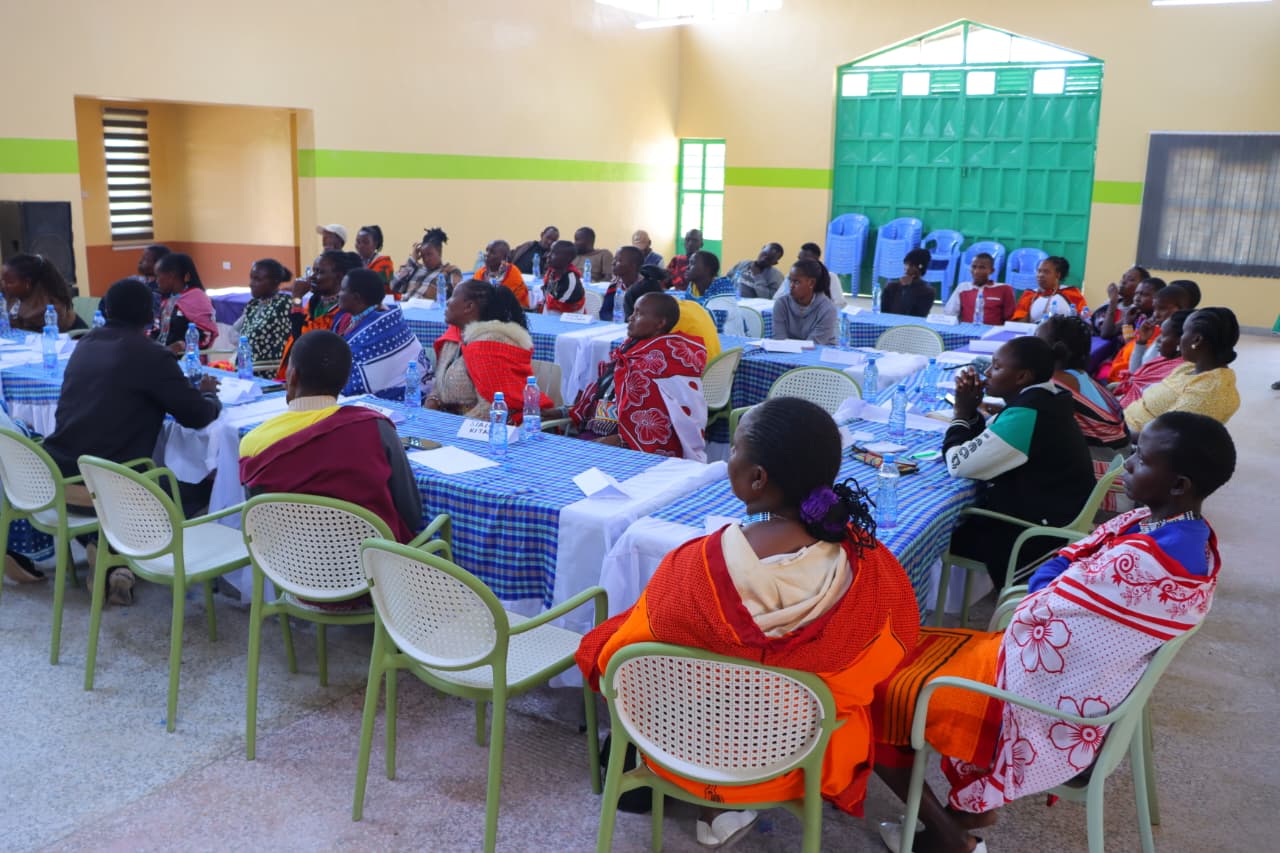
Women Lead Trainer
A dedicated Women Lead Trainer role anchors gender-focused programme design — ensuring women participants learn from a peer with the authority and lived experience to lead them.

Inclusivity is one of ETB's five core values — defined explicitly as supporting smallholder farmers, women and youth in agriculture. Our training programme is the operational expression of that commitment, not a side initiative.
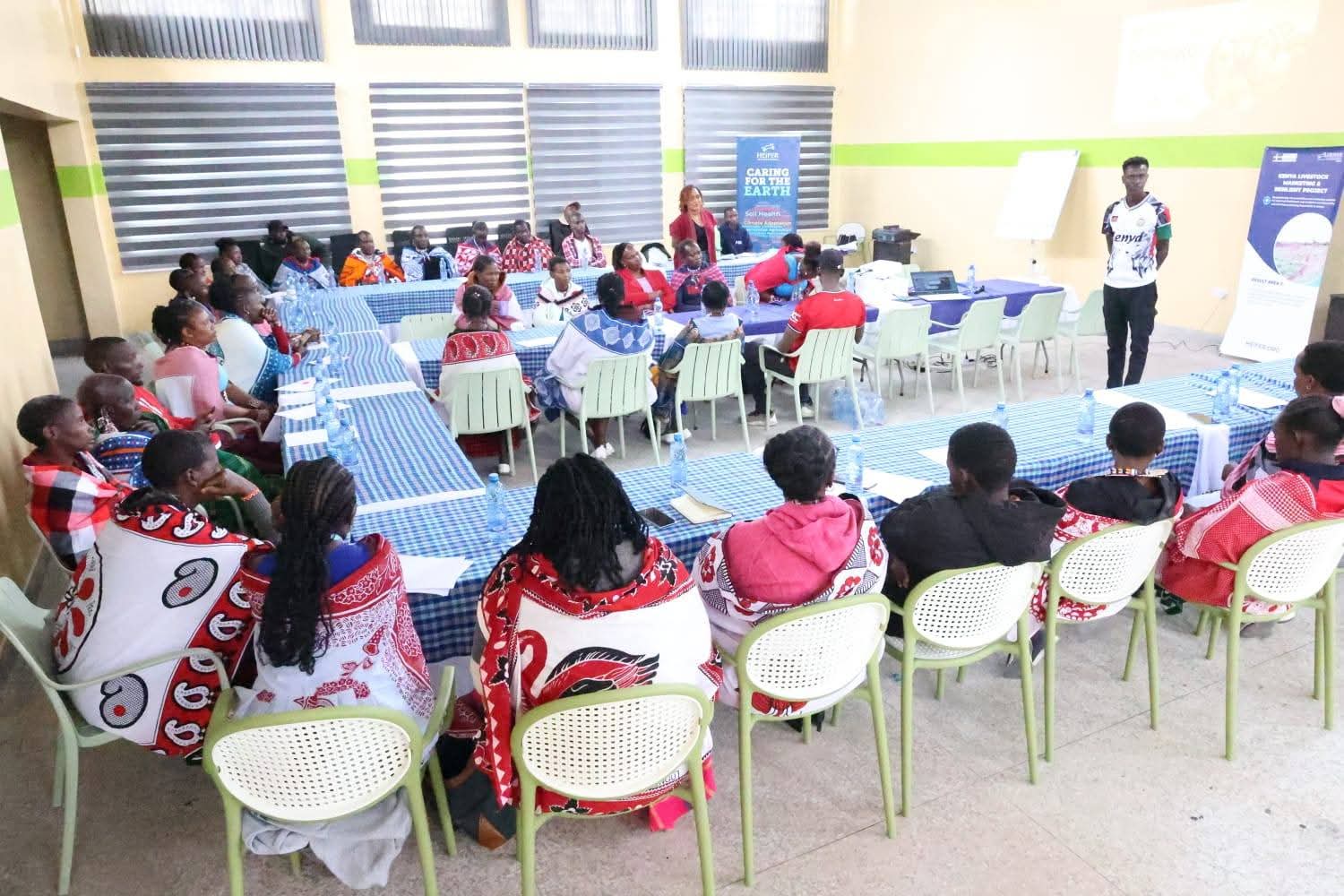
A short overview of the core topics covered in ETB's pastoralist capacity building programme.
Osiligi Farm is ETB's operational base, demonstration ground and hands-on training site. Climate-smart fodder systems, feed storage, water conservation and improved breeding are first developed and proven here, then transferred directly to surrounding pastoralist communities through structured cohorts. Applied research and real-world delivery happen side by side on the same land.
A dedicated Women Lead Trainer role anchors gender-focused programme design — ensuring women participants learn from a peer with the authority and lived experience to lead them.
Structured cohorts under ETB's own "Livestock Farming for Profit" programme — not one-off workshops — delivered by a multidisciplinary technical team of agronomists, animal scientists and engineers.
Training is paired with tangible take-home assets — including Juncao fodder cuttings distributed to participants — so learning converts directly into productive on-farm capacity.
Continuation sessions on livestock finishing, marketing and fodder types reinforce the initial cohort, closing the loop from training to income.
Training is organised around the four nutritional functions of climate-resilient fodder — so participants can plan a balanced ration and know which species to plant, preserve and feed through dry seasons.
Lucerne, Desmodium and sweet potato vines — nitrogen-fixing and high in crude protein — critical for liveweight gain in the feedlot and improved milk yield in breeding stock.
Maize and Sudan grass provide the carbohydrate density needed to accelerate fattening cycles and sustain body condition through the dry season.
Napier grass varieties (Red Australian Napier, Super Napier), Rhodes grass and Juncao grass form the fibrous base of the ration and deliver drought-tolerant biomass for large-scale storage.
Fodder trees integrated into the farm's land-use system supply supplementary protein and fibre while reinforcing soil and water conservation.
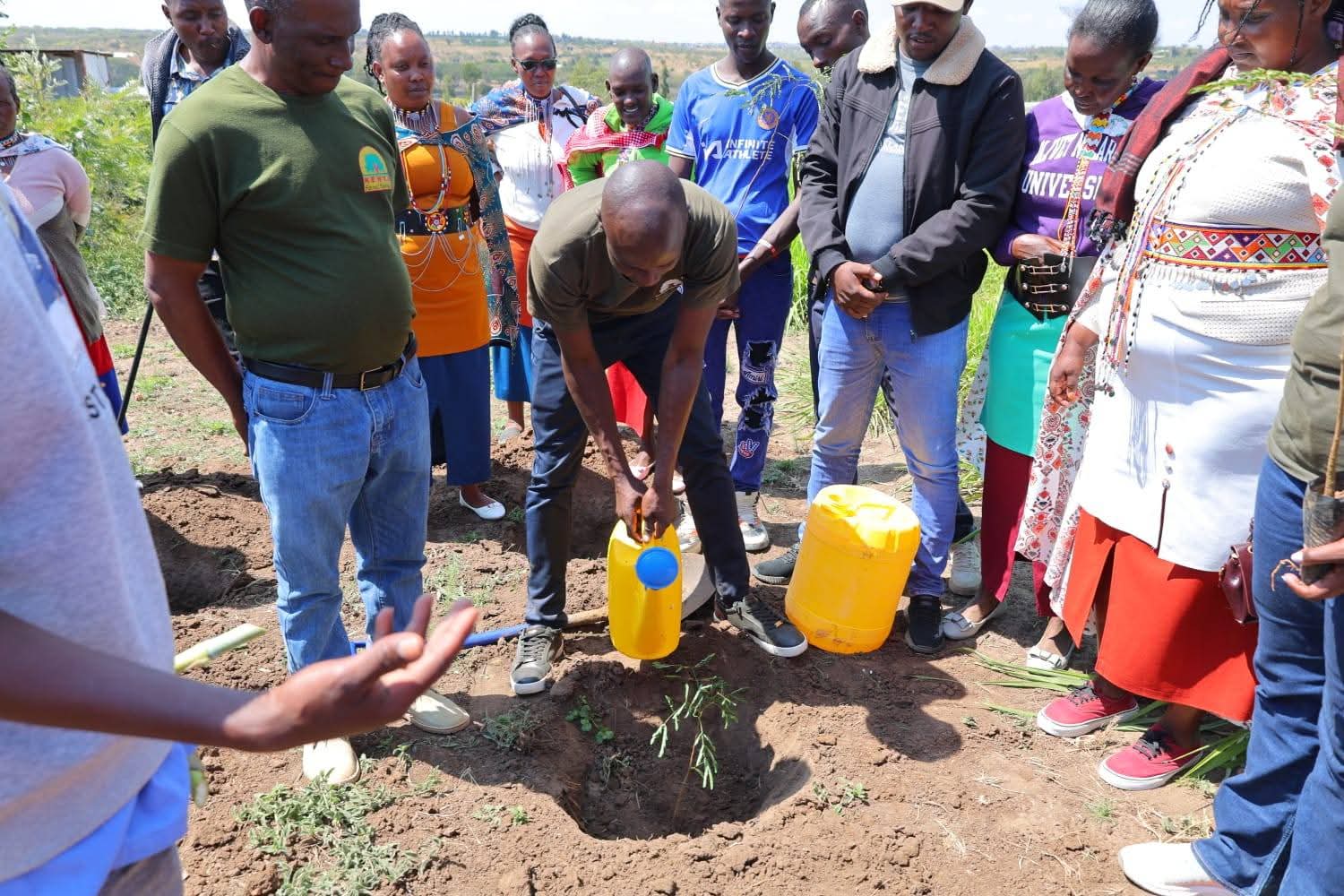
Participants are drawn from Ildamat, Purko and Matapato wards in Kajiado Central Sub-County. Each cohort receives the same rigorous, hands-on programme and leaves with take-home Juncao cuttings that convert directly into on-farm production.
Every participant leaves with planting material for high-yield, drought-resilient Juncao grass. Combined with follow-up sessions on livestock finishing, marketing and fodder selection, this closes the loop from classroom to income — pushing pastoralist practice from reactive drought response to proactive feed and water management.
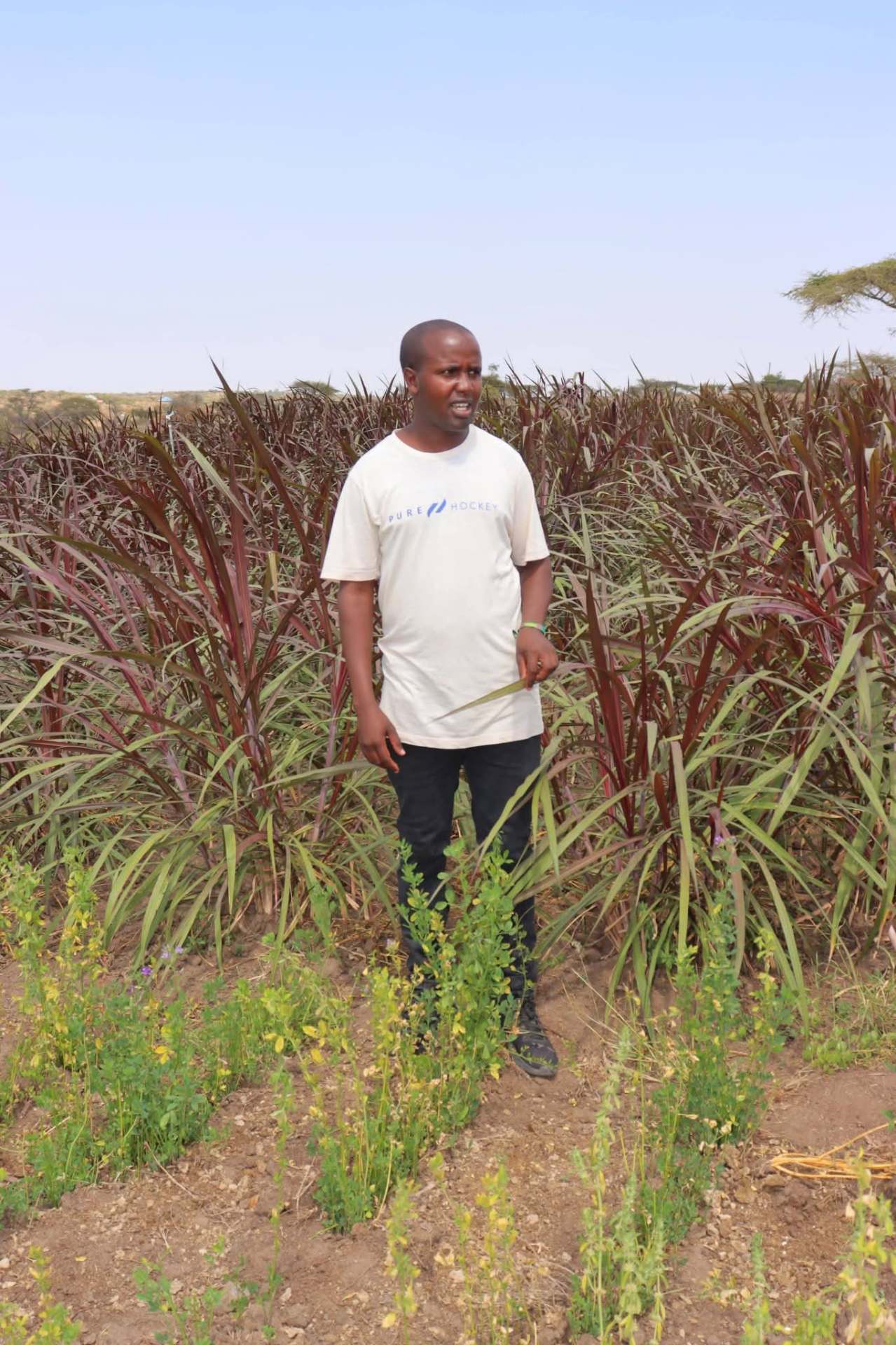
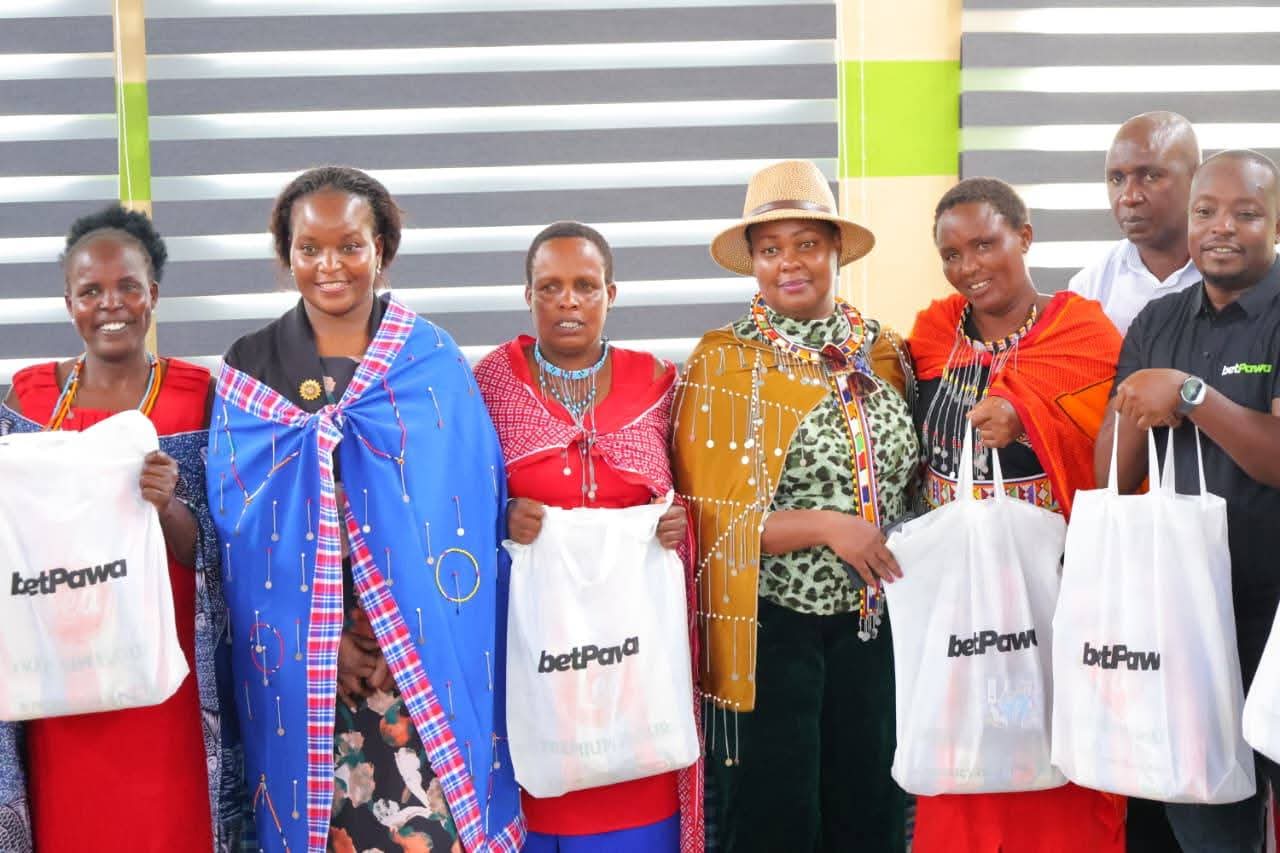
ETB aims to replicate this training model across all 15 pastoralist counties in Kenya — reducing livestock mortality, strengthening feed security and building climate resilience, with women and youth as named beneficiary groups within that ambition.
South Africa and Namibia origin — proven sires selected for pastoralist adaptability and improved offspring performance.
Assured pregnancy service using elite genetics — de-risking herd upgrading for smallholder and commercial producers alike.
Fleckvieh, Brahman, Boran, Simmental, Sahiwal and Girolando bulls — dual-purpose and beef genetics matched to Kenyan rangeland conditions.
We partner with counties, cooperatives and NGOs to run cohort-based training for women and youth in pastoralist livestock value chains.
Osiligi Farm, Oloosuyian Road, Kajiado · +254 733 979 794 · kenyatopbreeders@gmail.com